Unlike our under-$15 roundup, this isn't a batch we ordered and sorted through all at once — it's a running list we add to one device at a time, and only after it's been installed and left running for a while. Nothing here is a "looked good in the listing photos" pick.
On pricing: AliExpress prices move fast — by region, by promotion, and by how much stock is left on a given deal. We check the live USD price before publishing, but treat every number below as "as of writing," not a guarantee. Every price here was last checked between 1 and 7 October 2026: most on 1 October, and the later additions (the SNZB-01P button, the two Tuya PIR sensors, and the MIJIA night light) each on the day it was added, 5–7 October, during the Oct 1–8 sale.
At a glance
Fourteen Zigbee devices, every one of them running in a house with 72 Zigbee devices on it. Start with the coordinator — it decides whether a large mesh stays stable, and it is the only item here worth being fussy about. Everything else is a commodity sensor that either talks to Home Assistant locally or does not belong here.
| Category | Our pick | Price |
|---|---|---|
| The hub everything else depends on | SONOFF ZBDongle-P, Zigbee 3.0 USB coordinator, pre-flashed for ZHA and Zigbee2MQTT | $19.10 |
| Safety & monitoring | HEIMAN Zigbee smoke detector, Home Assistant / SmartThings compatible | $25.94 |
| SONOFF SNZB-04PR2 SenseGuard, Zigbee door/window sensor with tamper alerts | $6.90 | |
| SONOFF SNZB-03P, Zigbee motion sensor, battery powered, 1–5 packs | $10.54 | |
| Tuya Zigbee 3.0 PIR motion sensor, 120° / 5 m, optional lux sensing | $7.27 | |
| Tuya slim PIR motion sensor, Zigbee or Wi-Fi versions, 128° / 6 m, 2-pack | $10.79 | |
| Xiaomi MIJIA motion-sensor night light, on/off/auto, magnetic base | $9.06 | |
| SONOFF SNZB-05P, Zigbee water leak sensor, IP67, with detection cable | $9.57 | |
| Climate & presence | SONOFF SNZB-02B AirGuard TH Lite, Zigbee temperature + humidity sensor | $6.60 |
| Tuya human presence sensor, 24GHz mmWave radar + PIR, Zigbee | $10.93 | |
| Zigbee illuminance sensor, real-time lux monitoring, Tuya / Zigbee2MQTT | $5.91 | |
| Lighting | MARPOU 47cm smart LED ceiling light, dimmable, remote + app control | $28.84 |
| Switches & controls | Zemismart DIY Name Switch, Zigbee touch switch with display, Tuya / Alexa / Google Home | $25.52 |
| Zemismart Matter WiFi smart wall light switch, big button, SmartThings / HomeKit / Alexa | $24.86 | |
| LELLKI Zigbee 16A smart plug with power monitoring, Tuya / Smart Life | $18.04 | |
| SONOFF SNZB-01P, Zigbee wireless scene button, CR2477 included, 1–10 pack | $9.08 | |
| Outdoors & watering | SONOFF SWV, Zigbee 3.0 smart water valve, IP55, BSP thread | $25.82 |
| Tuya Zigbee 2-in-1 rain + ambient light sensor, IPX4 | $7.70 |
The hub everything else depends on
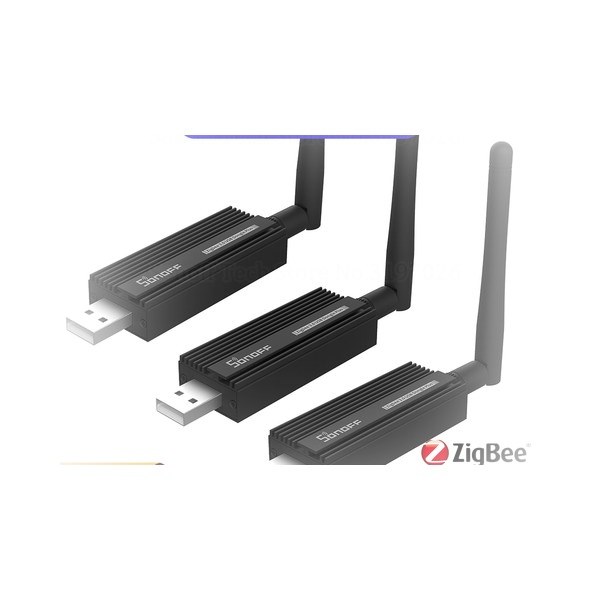
Buy this part properly and the rest of the category gets easy. Ours runs 72 Zigbee devices flawlessly through Home Assistant — and a mesh that size is exactly where weaker coordinators start dropping devices and making you re-pair things at midnight. It arrives pre-flashed for ZHA and Zigbee2MQTT, so Home Assistant sees it the moment it's plugged in, and the external antenna is the reason it reaches the far end of a house. 4.9 stars across 270 reviews and 2,000+ sold at the time of writing. On the price: the listing strikes through $26.53, but this dongle has actually traded between $12.31 and $20.30 since April — today's $19.90 is near the top of its real range, not a discount. Right product, meaningless badge.
Safety & monitoring
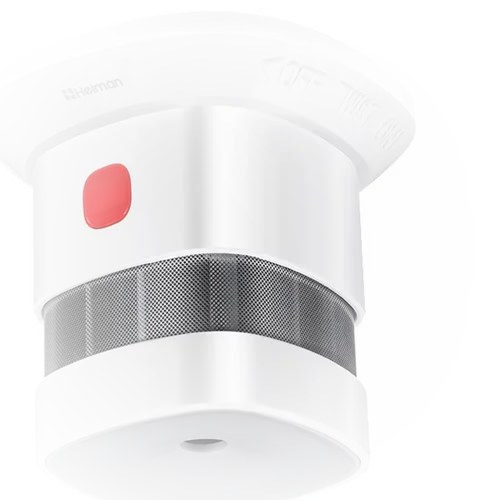
Pairs directly to a Zigbee hub — Home Assistant, SmartThings, or Zigbee 3.0 in general — with no separate app or cloud account to set up. Sensitive enough to trip on an incense-stick test, loud enough to actually hear from another room, and small enough that it doesn't read as "sensor" the way a lot of these do. 4.9 stars across 418 reviews at the time of writing.
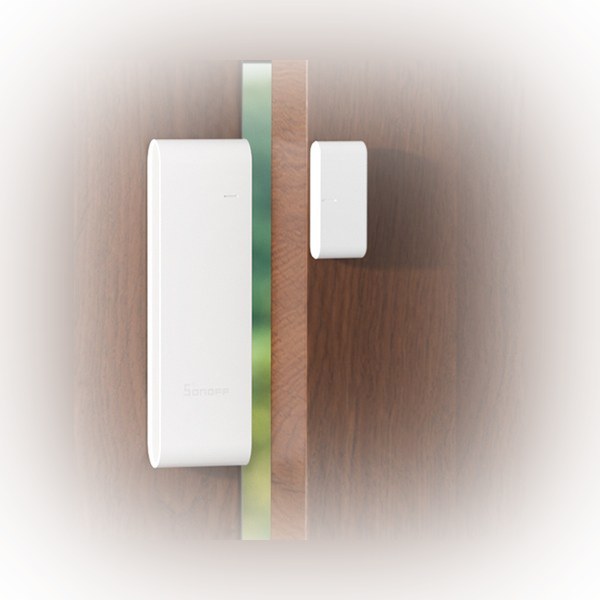
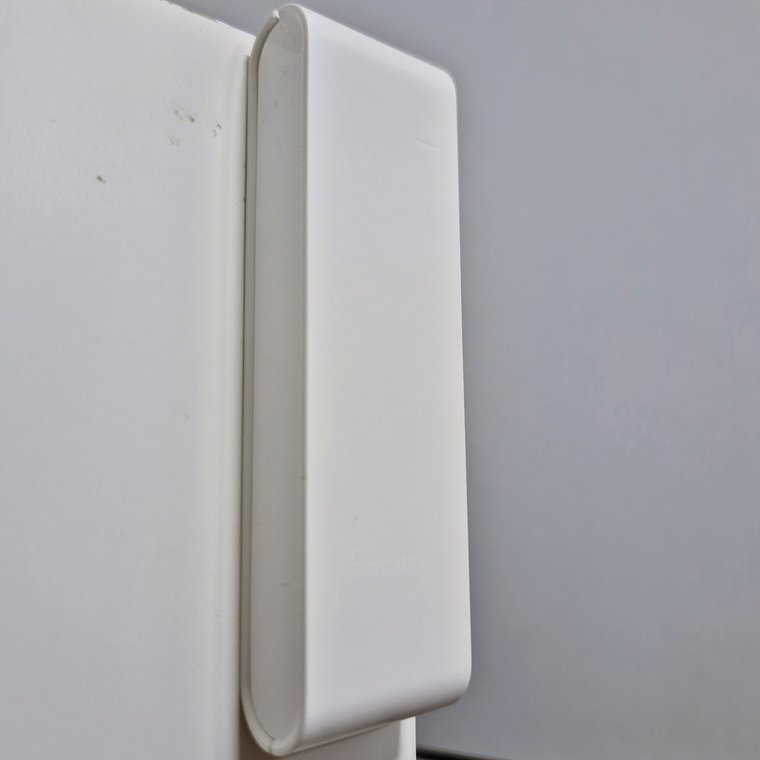
We run six of these, and after months of daily use the batteries still report 100%. They earn their place by doing more than announcing "door open": ours are tied into the alarm system, they flag a door that's been left open too long, they switch the laundry-room light on when that door opens, and when the alarm is armed they report any door or window still standing open — which is the one that has actually saved us. They take two AAAs, and the tamper alert matters if you're using them for security rather than convenience. 4.9 stars across 497 reviews and 4,000+ sold. Same pricing caveat as the rest: the $15.98 "was" is roughly double what these have really sold for. Owner-photographed: below, one of ours on its door.
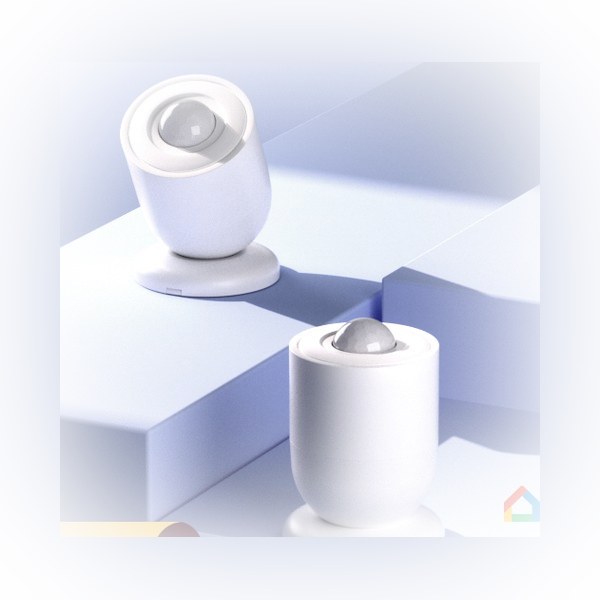
These run the hallway lights at our place and have been faultless. The thing worth paying attention to is that they're completely wireless — battery powered, no cable, nothing to wire in — which in practice means placement stops being a compromise. You put the sensor where the motion actually is rather than where a power outlet happens to be, and that single freedom is what makes hallway and stairway automations work properly instead of almost working. They pair to the same Zigbee coordinator above. 4.9 stars across 196 reviews and 2,000+ sold at the time of writing.
We also run two other kinds of PIR sensor, because at these prices you stop rationing them and start placing them wherever an idea needs one. The two below are the pair behind our favourite automation in the house — the story follows the cards.
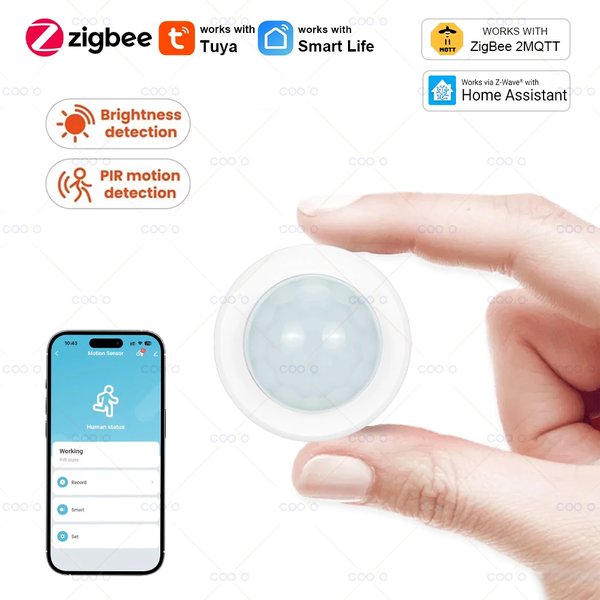
A small dome-style PIR on a CR2450 coin cell — Zigbee 3.0, so it needs a hub (the coordinator above, or anything Zigbee2MQTT/ZHA). 120° field, 5 m range, and there's a variant with a built-in lux sensor if you want light-level readings from the same puck. Ours is the bathroom sensor in the story below — the one doing two jobs on one battery. 4.7 stars across 145 reviews and 2,000+ sold. On the price: the strikethrough claims you're saving eighteen cents. We almost respect it — that's the most honest "sale" on this page.
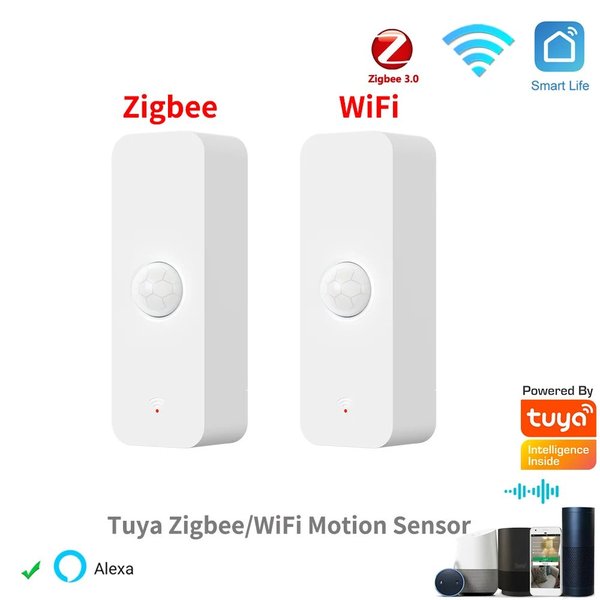
A flat, stick-anywhere PIR that's easy to hide — 128° field, 6 m range, about $5.40 a unit in the two-pack. This is the one under our bed. The flat shape is exactly why: it sits in a gap no dome-style sensor fits, aimed at the floor, completely invisible until it does its trick. Watch the variant selector: this listing sells both Wi-Fi and Zigbee versions, and the Wi-Fi one wants 2.4GHz and Tuya's app rather than your hub. We run the Zigbee version; pick that one if Home Assistant is the plan. 4.9 stars across 42 reviews, 500+ sold. On the price: the $34.78 strikethrough is fiction — this is a $5-a-unit sensor being sold as a 69% miracle. Buy it because it's a good $5 sensor.
The night light that was already on the wall
Our master bedroom has five backlit touch panels: lights and blinds at the door, a panel on each side of the bed running the room lights plus that side's reading light and blinds, and a fifth at the bathroom door. Five glowing rectangles in a dark bedroom is five too many, so an automation kills every backlight during night hours. That fixed the annoyance — and left the glow sitting there as unused hardware.
Here's the part we're proud of. The slim sensor above lives under the bed, aimed at the floor. Get up at night for water and the moment your feet touch the ground it switches the panel backlights back on — five soft, already-installed night lights, exactly where wall switches were always going to be. No motion for a minute and they go dark again. The dome sensor in the bathroom runs its lights normally by day, but at night it stops switching the main lights on and instead feeds the same night-light automation.
Every piece of it is gated by time of day, nothing needs remembering or pressing, and the "night light" cost zero dollars and zero new objects — it's the switches' own backlight, doing a job the manufacturer never designed it for. That's the whole appeal of cheap sensors on an open hub: the hardware stops dictating what the house can do.
And for the nights the automations are switched off entirely, there's one deliberately dumb light in the house:
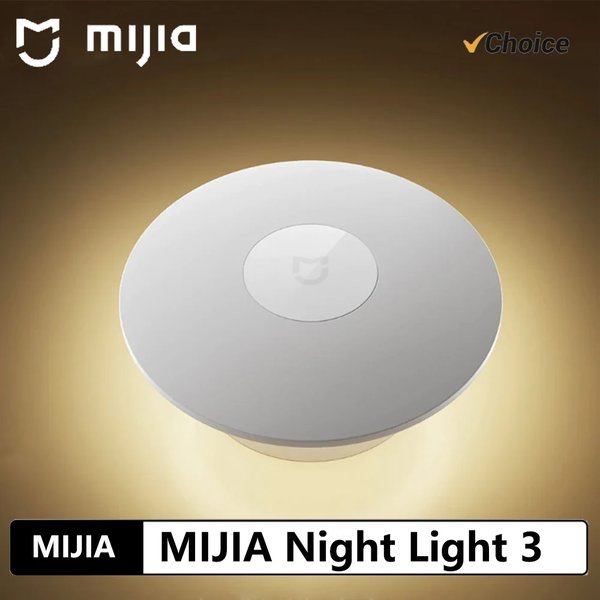
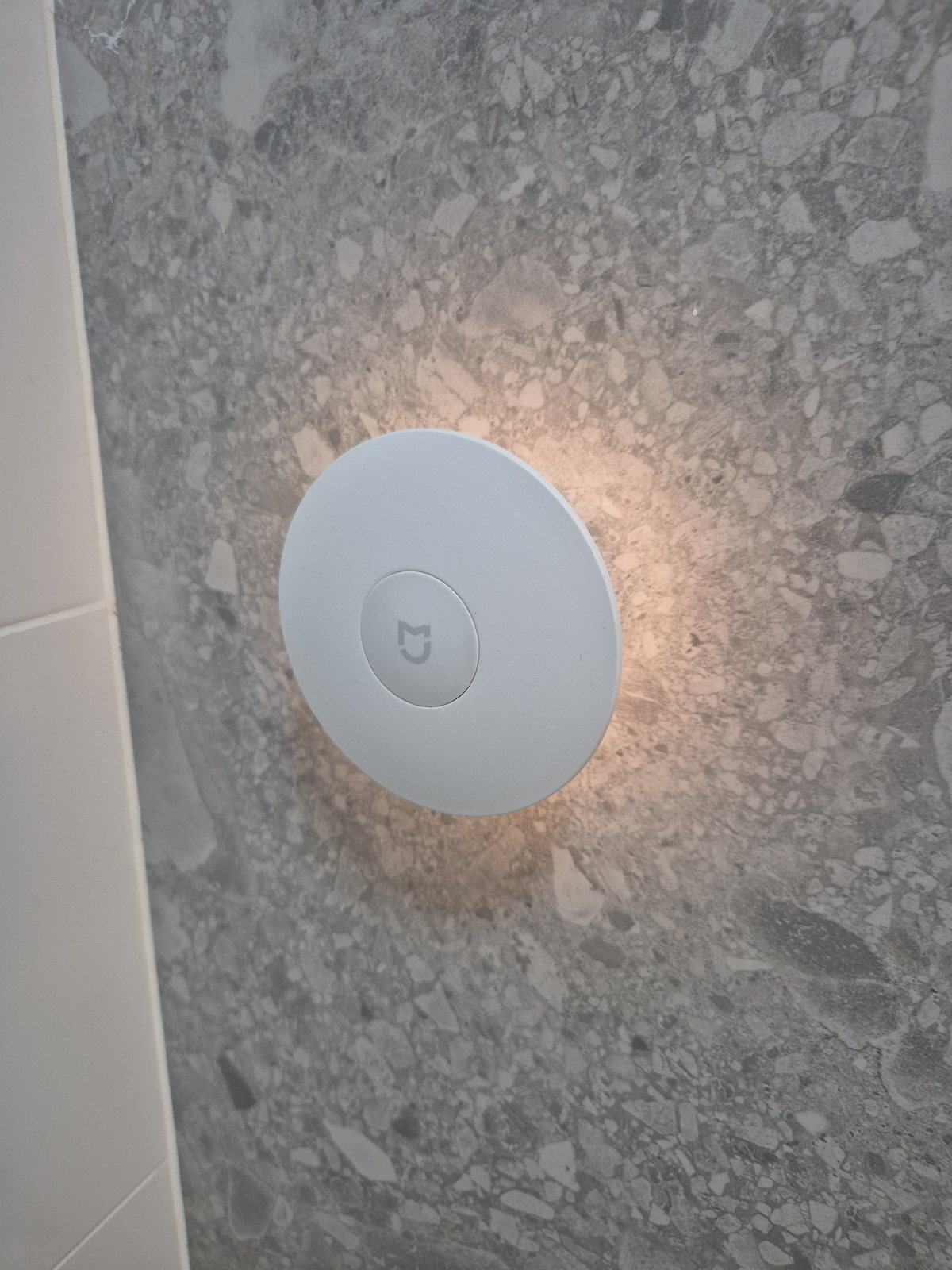
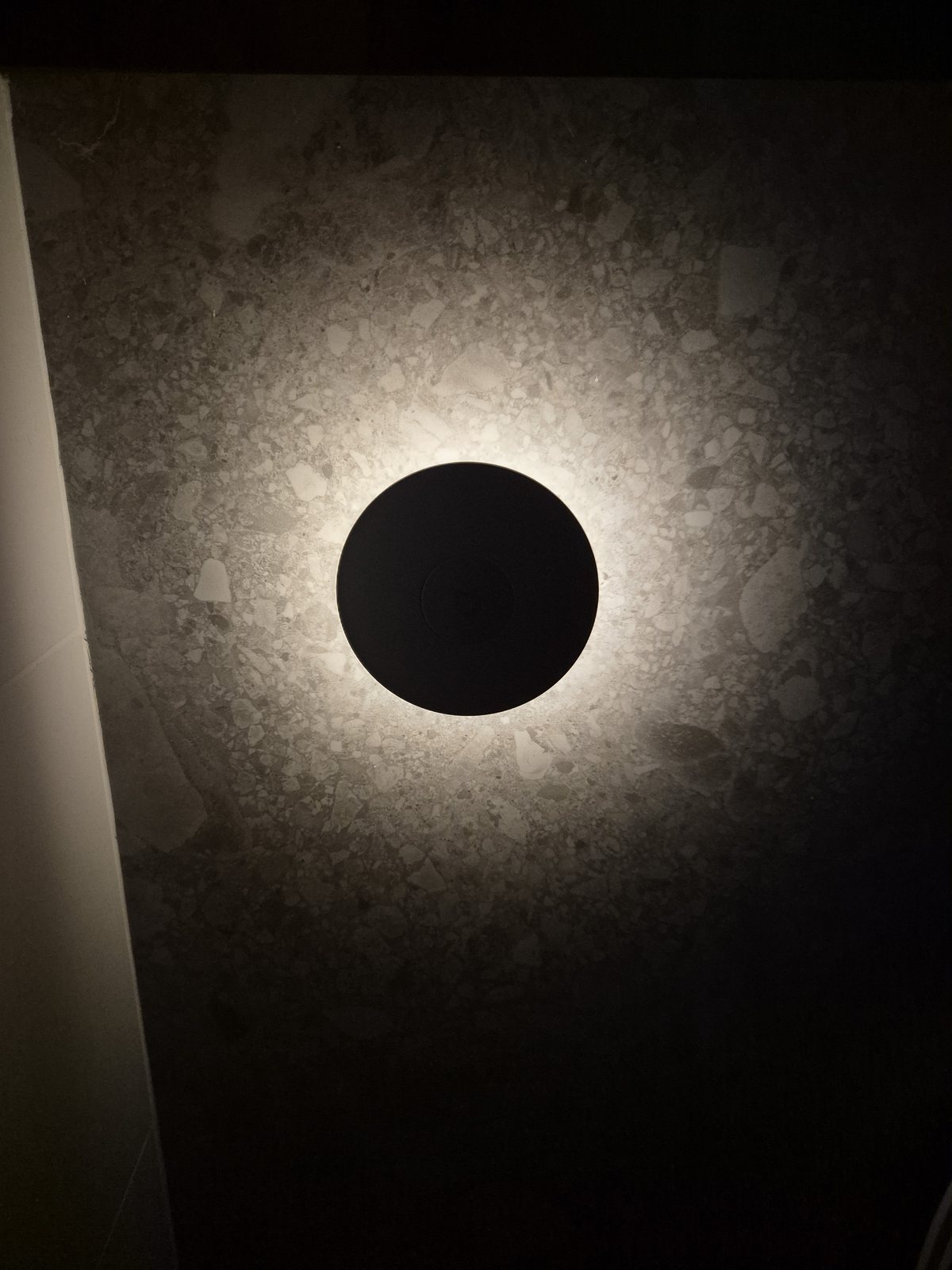
Ours lives in the bathroom as the fallback for exactly those nights. No Zigbee, no hub, no app — three physical modes (on, off, auto), and in auto it lights only when it's dark AND it senses motion. It's extremely sensitive; in months of use it has never once missed us. The magnetic base means it sticks flat to anything ferrous and lifts off for charging, and the light itself is a soft, warm pool that's genuinely pretty — this is the rare cheap gadget we'd keep for looks alone. 4.9 stars across 210 reviews and 2,000+ sold.
On the price: the listing strikes through $20.13 and claims you're saving $11.07 — fiction, as usual. But the tracked price history tells a better true story: it genuinely sold around $14.83 this spring and is $9.06 now. A real discount, dressed up in a fake one.
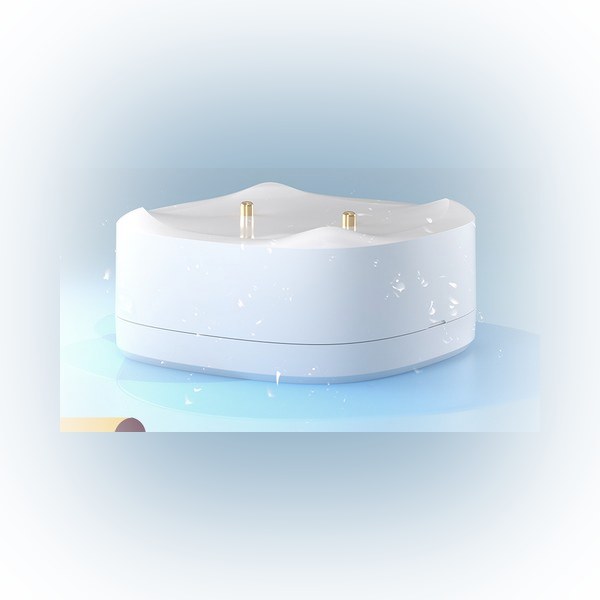
We keep five of these, one under every sink in the house, and one of them has already paid for the lot. The small under-sink hot water unit we use for drinks and washing up started leaking, and the sensor beneath it caught it — we were notified while it was still a leak, not after it had become a flood. That is the entire argument for this category: it does nothing at all until the one night it saves your floor.
It runs on a CR2477 cell, it's IP67, and it ships with a detection cable so you can reach into the awkward gap behind a trap rather than balancing the sensor where you hope the water will go. Pairs to the coordinator above and shows up in Home Assistant immediately. 4.9 stars across 215 reviews and 3,000+ sold at the time of writing — the best-reviewed thing on this page.
Climate & presence
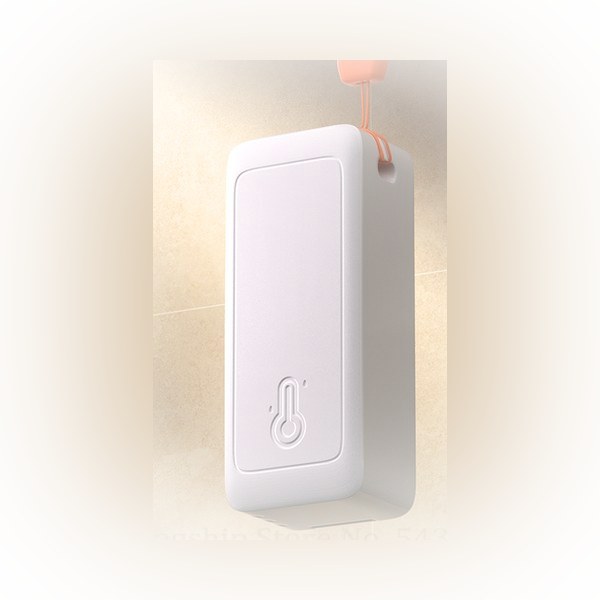
We have one of these in every room and one outside, which only makes sense if you're actually automating on them — as readouts alone they're a novelty. Ours drive heating and cooling decisions, and the outdoor one gives the inside numbers something to be compared against. Two-year battery on a single AAA, and it keeps a six-month log on the device itself. 4.8 stars across 107 reviews and 800+ sold.
A rare honest discount: the listing claims 63% off $18.86, which is the usual fiction — but the price history shows it genuinely falling from $11.45 in July to $6.98 now. So the badge is nonsense and the price is still the lowest this sensor has been. Both things are true at once, which is why we check rather than trust.
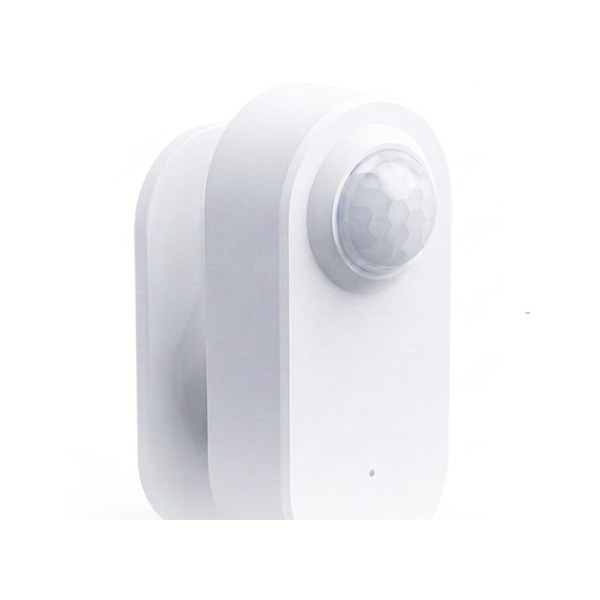
This is the sensor people should buy instead of a second motion sensor, and usually don't. A PIR motion sensor detects movement — sit still at a desk and it decides the room is empty and kills the lights. mmWave radar detects that a body is there, moving or not. We use PIR in the bathrooms, where movement is a safe assumption, and these in the office and on the porch, where it isn't.
The porch one earns its place in a way we didn't anticipate. When our rain sensor reports sustained rain, Home Assistant closes all the blinds — but that automation is gated on this sensor, because closing the blind on a second-floor porch while someone is standing on it would lock them outside in the rain. That gate is the difference between an automation you trust and one you switch off after it embarrasses you once.
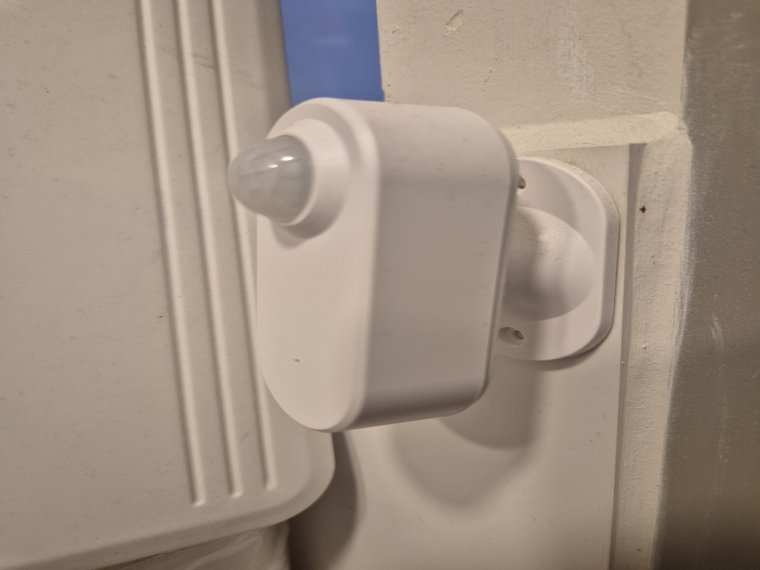
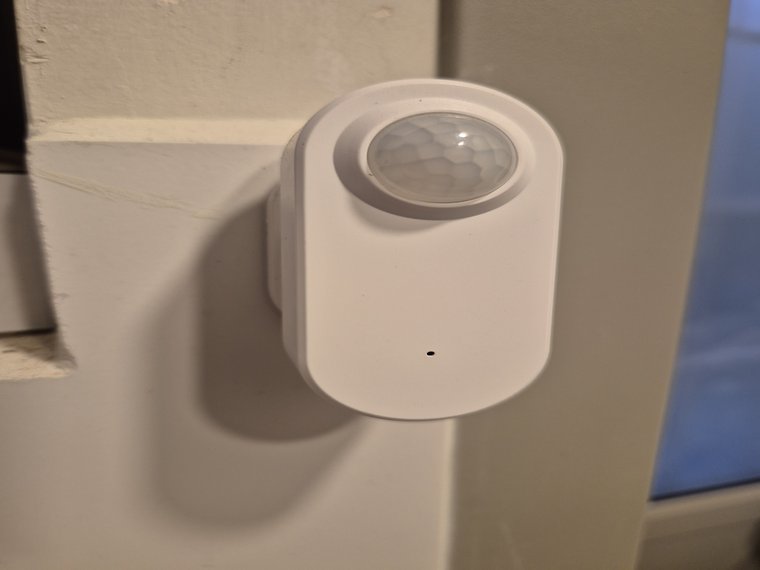
Zigbee, runs on two AAAs, 0.5–10 m range across a 105° field, and it pairs straight into Home Assistant via Zigbee2MQTT. 4.7 stars, though only 30 reviews so far — thinner evidence than the SONOFF items above, which is worth knowing even though ours have been solid. Owner-photographed too: the two shots below are one of ours, mounted and up close.
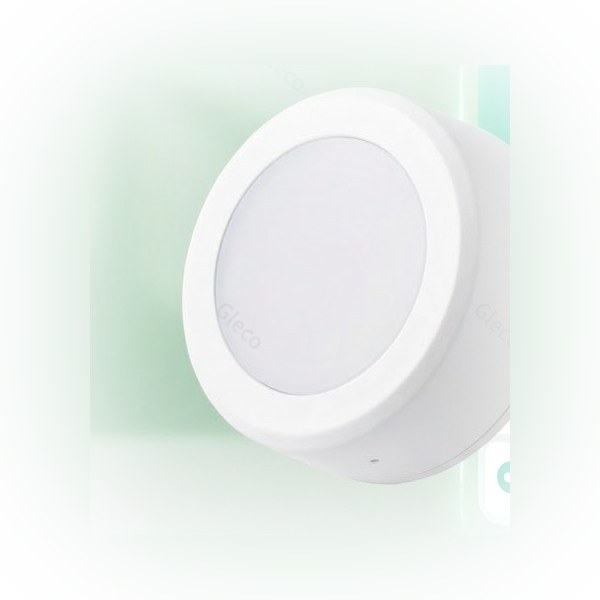
This six-dollar sensor fixes the mistake nearly everyone makes with outdoor lighting. Most people trigger their outside lights on sunset time. It works until the first heavily overcast afternoon, when the garden is dark at four and the lights are still waiting for a clock. Then the seasons shift and it's wrong in the other direction.
Ours sits outside and reports actual brightness, so the outdoor lights come on at a light level rather than at a time — and just as usefully, it gates the night lighting so it physically cannot fire during the day, which is the failure mode that makes people give up on automated lighting entirely. Once you've lived with a lux reading driving it, a sunset trigger feels like guessing.
4.7 stars across 157 reviews and 2,000+ sold. Zigbee, so it joins the same coordinator as everything else here and reports straight into Home Assistant through Zigbee2MQTT — no bridge, no account. And the pricing is honest for once: $6.20 against a $6.52 list, which is a real 5% rather than an invented 60%.
Lighting
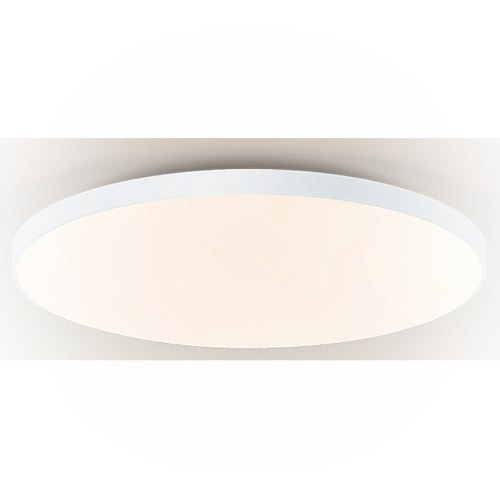
Big enough to replace a room's main light rather than just accent it, and the white / warm / night-light color-temperature switching (via remote or app) covers "working" and "not waking anyone up" without swapping bulbs. No hub required — it runs off its own remote and app over Wi-Fi. MARPOU's a well-reviewed brand on the platform with a genuinely low return rate, not just a listing that got lucky: 4.6 stars across 611 reviews at the time of writing.
Worth knowing: this price is a limited "SuperDeals" flash promo with very low stock at the time of writing — it's likely to jump back toward the $76.70 list price once that stock sells out, so don't be surprised if the number's different by the time you click through.
Switches & controls
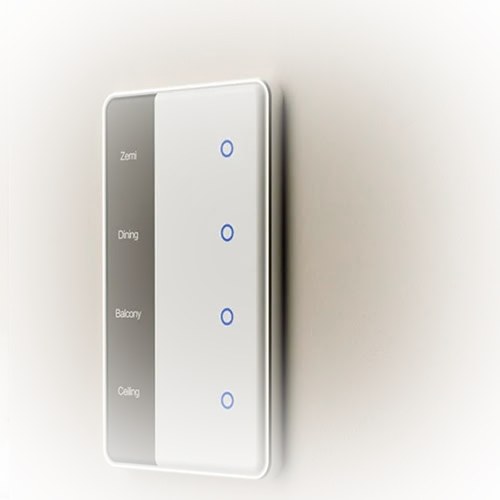
A Zigbee wall switch with a small display screen instead of blank labels — rename each gang to whatever's actually on the other end ("Living," "Balcony," "Study") so you're not guessing which one kills the hallway light. Pairs over Zigbee with no separate app required, and layers on Tuya, Alexa, and Google Home voice control on top. Runs Certified Original through a Brand+ seller our trust check gave a clean pass to. 5.0 stars across 40 reviews and 242 sold at the time of writing — a newer, smaller-volume listing than the rest of this page, so treat the review count accordingly.
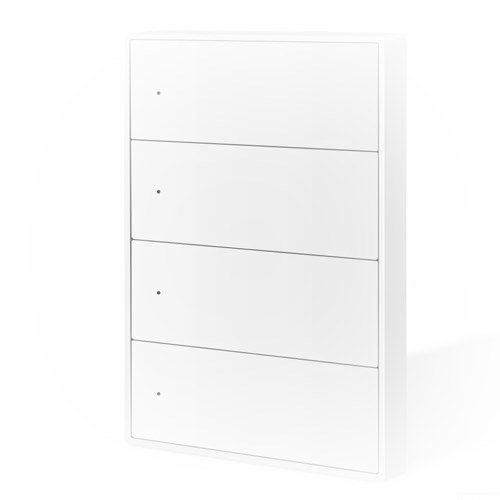
Same brand, different protocol: this one's Matter over WiFi instead of Zigbee, so it works natively with Apple Home, Google Home, and SmartThings without a separate hub — worth it if you're not already running a Zigbee mesh for the switch above. Oversized buttons instead of a touch-flush panel, in 1 through 6-gang configurations, though note it requires a neutral wire (not every wall box in an older home has one — check before ordering). The much higher review count here is a real signal: 4.9 stars across 245 reviews and 4,000+ sold at the time of writing, versus the newer switch's 40 reviews. Same Brand+, Certified Original, AliHelper-trusted seller as the switch above.
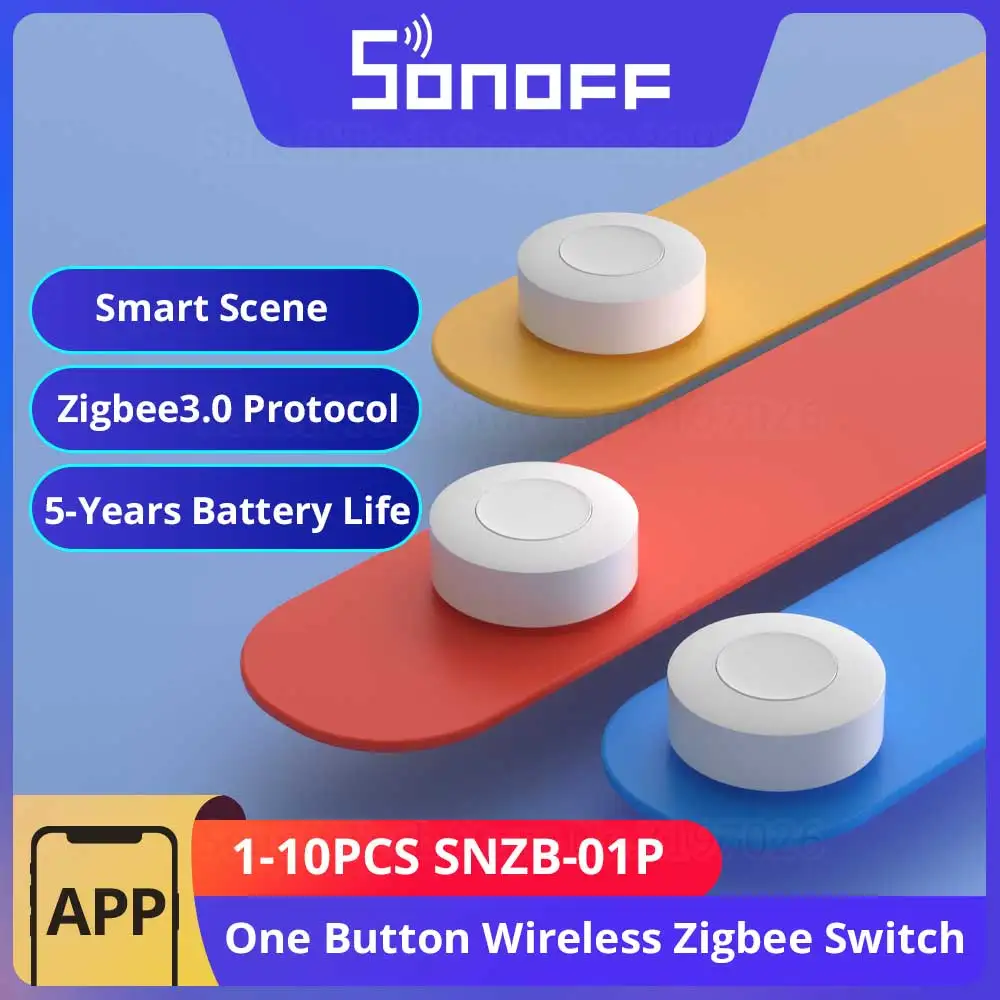
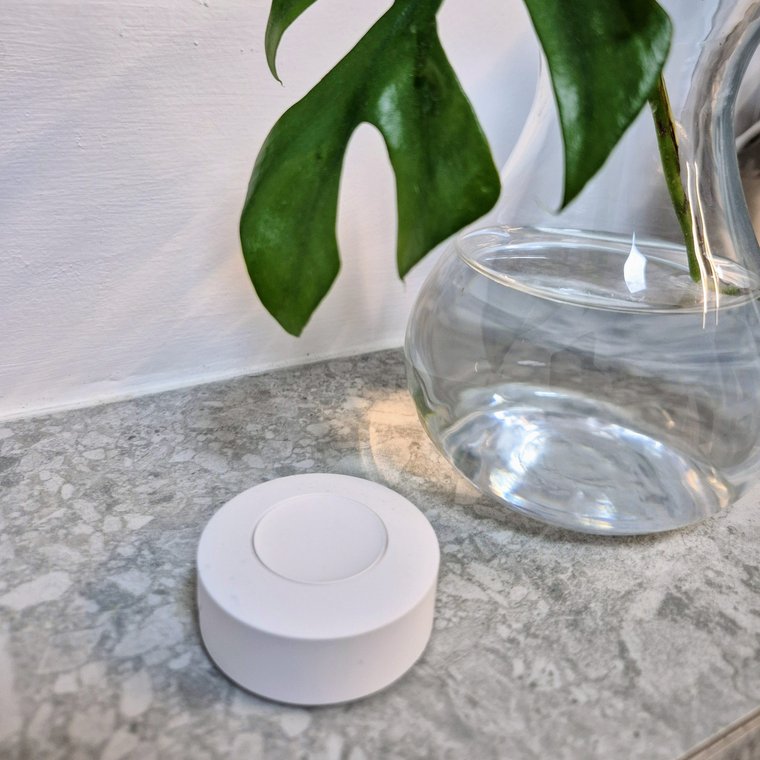
This one earned its spot with a small, specific problem. One of us gets up for work very early, and the master-bathroom lights are controlled from inside the bedroom — exactly where you don't want to be pressing switches at 5am. So a button now lives inside the bathroom: a single click toggles the mirror light, soft and gentle, right for an early morning, and a double click the main light. The routine it enables is the point: walk in with the lights off so you don't blind whoever's still asleep, close the door behind you, then light up — and off again before you open the door to leave. A dumb wall switch can't tell a single click from a double, and this needed no wiring at all: it's a coin-cell Zigbee button (CR2477 included) that just lives where the habit happens. Each press type maps to anything Home Assistant can do. 5.0 stars across 143 reviews and 1,000+ sold. Owner-photographed: below, ours in its bathroom.
This list is short on purpose. If you're setting up buyer protection or want to know what to expect on shipping before ordering anything here, our buying guide and shipping guide cover both. We'll add the next device once it's actually earned a spot.
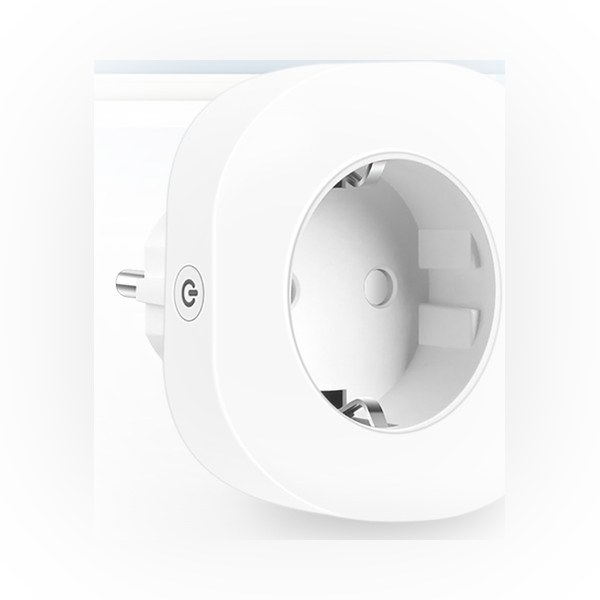
We run five of these — three metering the air conditioners, and two on the washing machine and dryer. The laundry pair do more than measure: Home Assistant watches the power draw and notifies us when a cycle finishes. That automation is the real test, and it's worth more than any spec on the listing, because a plug whose readings lag or jump around simply can't drive one. Ours have been steady enough to trust for months.
Two practical notes before you order. Ours are the Israel socket variant — the listing also sells EU, French and Swiss sockets from the same page, and picking the wrong one leaves you with a plug that doesn't fit. And it's Zigbee, so it joins the coordinator above and needs no cloud account or vendor app; the Tuya and Smart Life branding is what it works with, not what it requires. 16A / 4000W, 100–240V, and $19.00 each if you take three or more.
Fair warning, and we'd rather say it than not: this is a thin listing — 5 reviews and 149 sold at the time of writing — and the price-history tool we use flags this seller as one it doubts. Every other product on this page has hundreds or thousands of reviews behind it. We're recommending this one purely on five units running in our own house, and if that trade isn't for you, it's a sensible one to skip.
Outdoors & watering
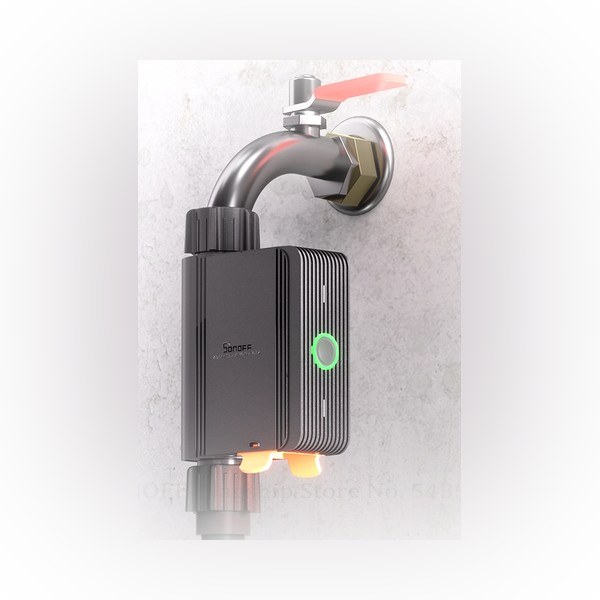
This is the device that turns our drip irrigation kit from a hose attachment into a system that runs itself. It's Zigbee, IP55, and controlled through Home Assistant rather than a vendor app — and the part worth copying: it takes input from a Zigbee rain sensor and skips the watering when it's actually raining. No mechanical timer does that; it waters a garden in a downpour and empties the tank. Ours is the SWV-BSP variant (G3/4-14 thread), so check what your tap actually is before ordering — thread standard is the one spec that will ruin the install. 4.8 stars across 267 reviews and 3,000+ sold. The pricing here is the least honest of the three: the $53.80 "was" is fiction — this valve has traded $18.18 to $27.66 since April, so the "50% off" is calculated against a price it has never held.
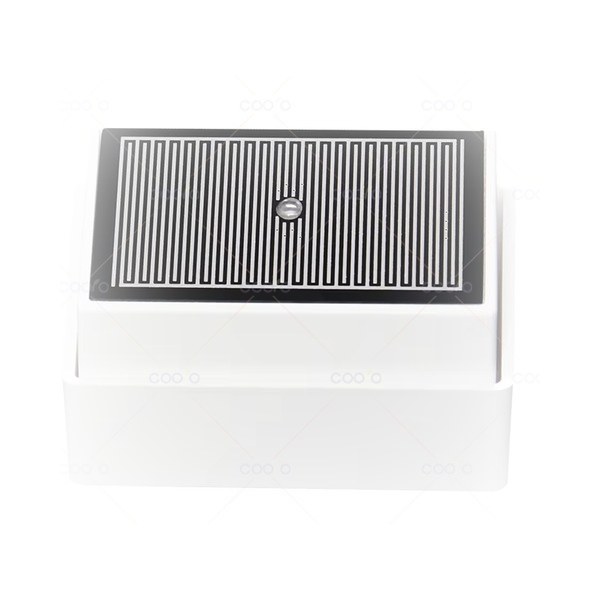
This is what tells the valve above to skip a watering cycle, and what triggers the blinds to close when it has been raining for long enough to matter. Eight dollars for the input that makes two other automations sensible.
We run two rain sensors, from different sellers, deliberately. They both feed the same automation and each one backs up the other — because a rain sensor that quietly dies doesn't announce itself, it just stops closing your blinds, and you find out during the first real downpour. On a part this cheap, redundancy costs less than one wet floor.
That decision turned out better than intended: the other sensor's listing has since disappeared from AliExpress entirely — no longer available, can't be shipped. Which is its own argument for buying two of a cheap sensor while you can, rather than assuming you'll be able to replace it with the identical unit later. This is the one still on sale, and it's the better listing anyway: 4.6 stars across 520 reviews and 5,000+ sold. Zigbee 3.0, IPX4, pairs through Zigbee2MQTT into Home Assistant.
And no invented discount — it's $8.35 with no struck-through "was" price at all. After everything else on this page, that's worth remarking on.
Spotted a wrong price, a dead listing, or a claim that doesn't hold up? Tell me and I'll fix it — reader corrections have already made these pages better more than once.